The Phoenix Project brings Ukrainian ex-combatants to Spain to heal the invisible wounds of the conflict
Spain has become the unexpected stage for a pioneering experiment: Ukrainian veterans carrying the trauma of war travel here to participate in therapeutic retreats with psilocybin, MDMA, and other psychedelic substances. The Phoenix Project, driven by a small group of specialists and activists who have been working with ex-combatants since 2014, has been organizing these sessions in private and discreet settings since 2024. The initiative arises as a response to the mental health crisis in Ukraine, where millions suffer emotional aftereffects, and it seeks to offer those who served at the front an alternative path to relief that conventional therapy often fails to provide.
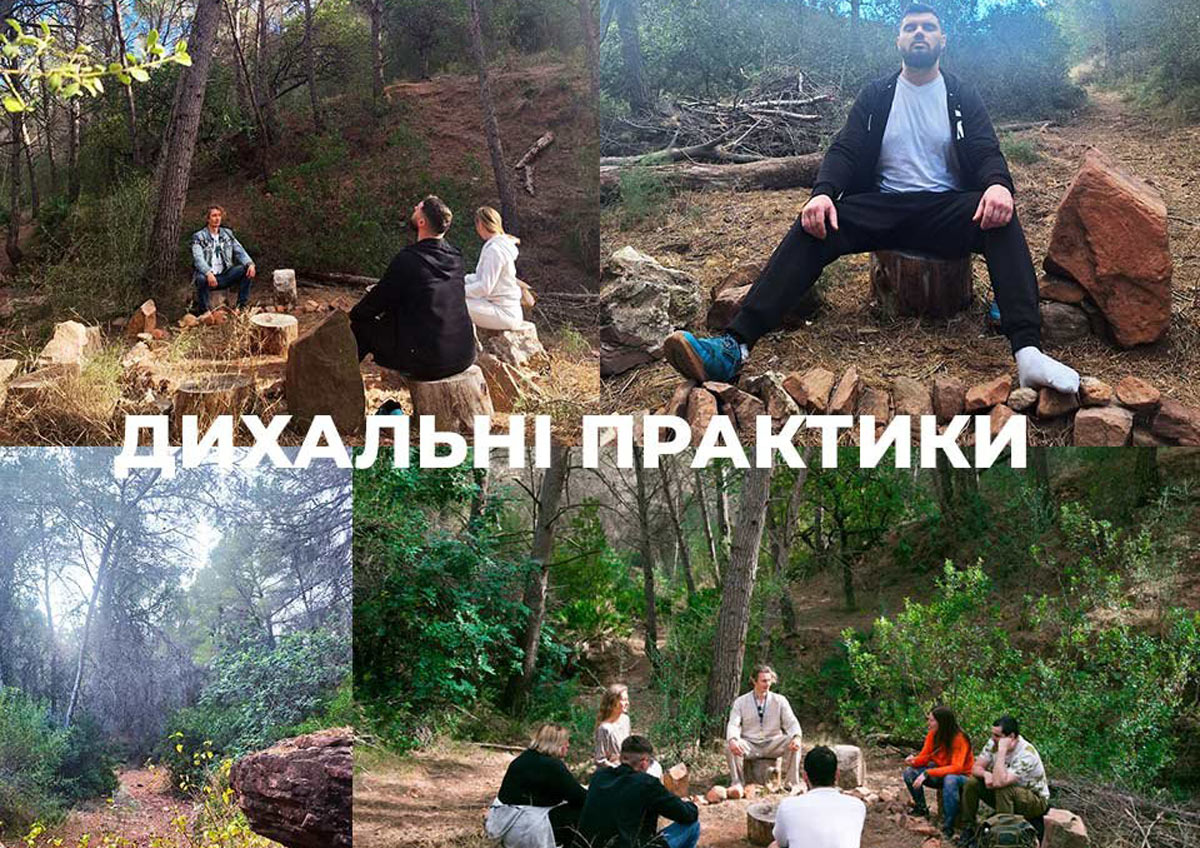
Oleh Fitkalo recalls that during one of the sessions, “he felt like he was merging with the rock” on which he was sitting. When he hung up the phone, after telling his mother he loved her, he discovered something both simple and unsettling: for the first time in a long while, his body wasn’t trembling. The scene does not illustrate a lyrical note but the beginning of a clinical story shared by dozens of Ukrainian veterans seeking relief from post-traumatic stress disorder (PTSD), which knows neither shifts of duty nor borders.
The Phoenix Project, born in Ukraine and now operating from Spain, organizes therapeutic retreats with psychotherapeutic support and psychedelic substances in controlled environments. In August 2024, Fitkalo—psychiatrist and active-duty soldier—traveled with four colleagues. Upon returning, he recounts, the one who stuttered the most was already speaking calmly, and the one who couldn’t control the trembling had stopped. The team attributes the improvement to a cocktail of factors: strict clinical selection, psychological preparation, sessions with psilocybin, MDMA, or DMT, and subsequent days of integration. It is not a “magic pill,” they insist, but it is a path that, when it works, opens a window that therapy and conventional drugs do not always manage to open.
More than a decade of experience
Phoenix is an initiative with a human face. It is led by a small group—including Anton and Maryna Mormul—that has been working with veterans since 2014 and, faced with the impossibility of operating with these substances in Ukraine, sought a country where they could do so legally and safely. Spain offered two advantages: a framework that does not criminalize private consumption and the possibility of working in discreet retreat environments, far from the noise of war. The process repeats itself: screening and prior consultation, recommendations (abstinence from alcohol and psychoactives, psychiatric medication adjustment), travel, three days of preparation, one day of session, and afterwards, integration to translate the experience into sustainable changes.
To gauge the value of these accounts, one must leave the monastery and look at the literature. MDMA-assisted psychotherapy has completed two phase 3 trials with significant clinical results: in populations with moderate to severe PTSD, there were significant reductions in symptoms and disability compared to placebo plus therapy, with a notable percentage of participants no longer meeting diagnostic criteria at the end of the protocol. The FDA, however, rejected the first approval request in 2024, citing the need for more data and methodological concerns, beginning with the difficulty of “masking” such an obvious effect in a double-blind trial. The field has not stopped: the U.S. Department of Veterans Affairs (VA) later announced the first public funding since the 1960s to study MDMA-AT in veterans with PTSD and alcohol use disorder.
The evidence also grows elsewhere. Psilocybin (25 mg) has shown efficacy in treatment-resistant depression in a phase 2 trial published in The New England Journal of Medicine, and although PTSD research is advancing more slowly, several groups are already working with veterans. Ibogaine, combined with magnesium and a support protocol (MISTIC, Stanford), recorded sharp drops in PTSD, depression, and anxiety symptoms after one month in special operations veterans with mild traumatic brain injury. This is indeed a promising result, but observed in non-randomized studies and with a molecule that requires strict cardiac monitoring. And 5-MeO-DMT, the ultra-rapid psychedelic, brings a logistical lesson: 15–20 minute inhaled sessions with signs of improvement in anxiety and depression in naturalistic contexts. Here, clinical science is still in the design and testing stage, but interest is growing.
A hope amid the mental health crisis
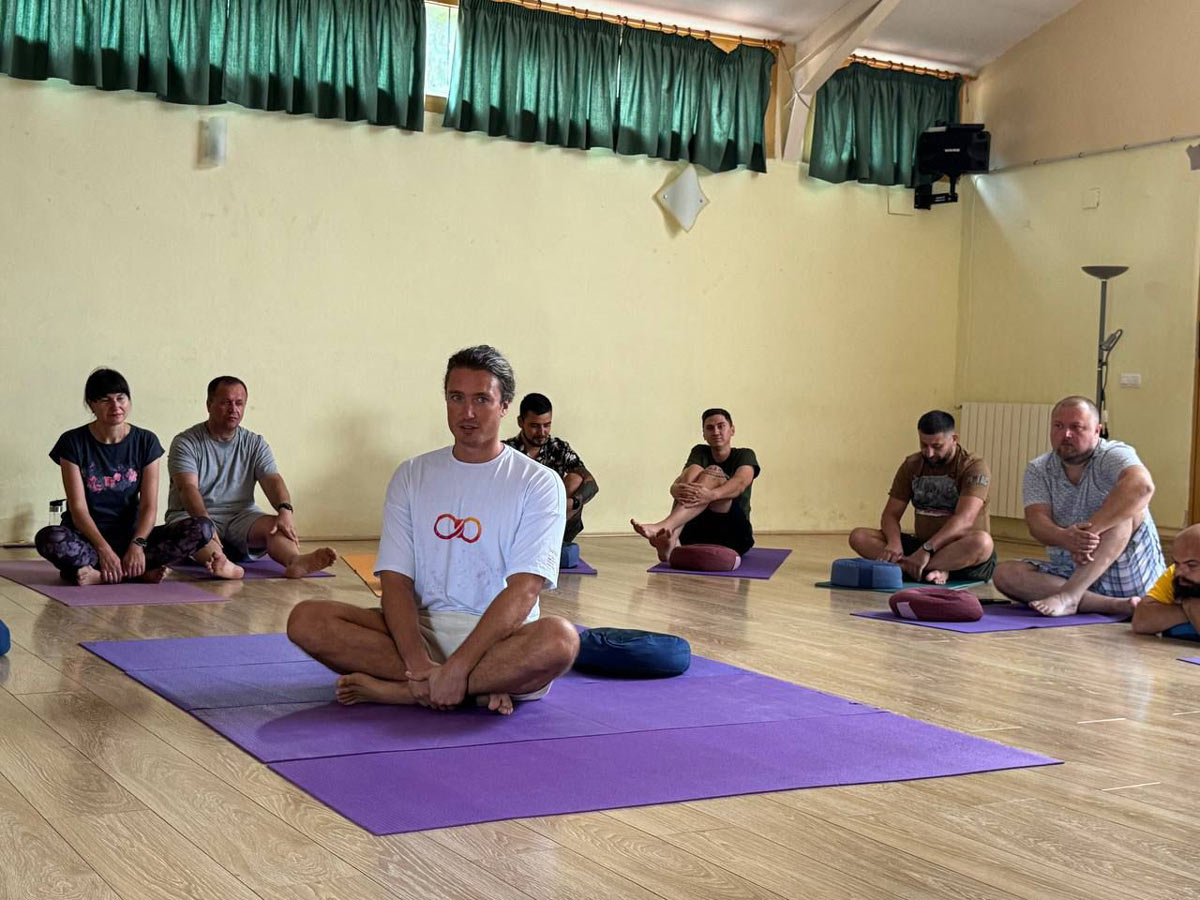
Meanwhile, demand is not slowing down. Ukraine is experiencing an unprecedented mental health crisis: WHO estimates and academic studies place the number of people with emotional disorders in the millions and the prevalence of probable PTSD between 14–31%, depending on cohorts and times of measurement. Among refugees and displaced persons, some studies place the figure above 40%. In this context, Phoenix’s proposal—to remove veterans from the front and immerse them for five days in silence, therapy, and introspection—has become a lifeline for many.
Spain acts as both a stage and a frontier. Here, private consumption is not a crime; consumption or possession in public space is sanctioned administratively with fines that, at their serious level, start at 601 euros; and trafficking remains a criminal offense with prison sentences. In practice, any serious program working with psychedelics in Spain must operate outside the public space, with clinical criteria, legal advice, and safety protocols. This grey area—legal but delicate—explains the discretion with which these retreats operate.
At Phoenix, substances do not “cure” by themselves; they enable the patient to approach their trauma from another angle. The session, they explain, begins with meticulous preparation and unfolds with the person lying down, blindfolded, and listening to music, in the presence of facilitators and therapists. The key comes afterwards: integration. Turning an extreme experience—of unity, reconciliation, mourning—into small decisions sustained upon returning home. Those expecting miracles will be disappointed; those seeking a lever to move their therapy may find support. The U.S. Department of Veterans Affairs itself, cautious by definition, published a review in 2025 of the state of the art and organized internal teams to prepare research and possible clinical implementations if the data justify it.
Beyond the laboratory
The conversation is no longer limited to laboratories. Australia authorized in 2023, under a restricted prescription regime, the use of MDMA for PTSD and psilocybin for treatment-resistant depression by accredited psychiatrists. Other countries are exploring their own paths, and in the United States, political and academic momentum has translated into more funding, pilot trials in military hospitals, and social pressure—especially from veteran communities—to accelerate with prudence.
Raúl del Pino, CEO of the International Congress Fuertedélica, sums it up clearly: “Trials with psychedelics for PTSD have been underway for years in the United States and Israel, and they have shown significant clinical results: the two phase 3 MDMA trials are not anecdotal. The evidence with psilocybin in resistant depression is solid, and the observational data with ibogaine in veterans struck by trauma and mild brain injury are spectacular, though they require caution and cardiomonitoring. Even 5-MeO-DMT, due to its brevity, points to more efficient models of care. None of this replaces psychotherapy, but it does enhance it. And it is not only for combatants; it can help victims of sexual violence or other forms of violence, always with serious protocols of preparation, safety, and integration.” His words land where it hurts: in contexts of trauma, what matters is not the label of the substance but how and why it is used.
The question hovering over any chronicle is always the same: what now? The FDA’s rejection has returned the ball to science—more data and impeccable trials will be needed—and to clinics—quality protocols, more training, and oversight. On the real board, where veterans and their families sleep poorly, Phoenix and other teams work with what exists: growing evidence, tightly drawn legal frameworks, and a clear commitment to minimal harm and maximum utility. Perhaps this is the most mature way to respond to a problem that does not allow slogans.
At the close of this chronicle, Fitkalo does not speak of epiphanies but of measures: less anxiety, better sleep, less reactivity to noise, less trembling. These are prosaic markers, yes, but for someone who has lived through war, they represent an entire life.
Fuertedélica, epicenter of the debate on psychedelics and mental health
From November 4 to 9, 2025, Fuerteventura will once again host a new edition of Fuertedélica, the international congress on psychedelics, neuroscience, and mental health, which will bring together researchers, doctors, therapists, psychologists, and enthusiasts from all over the world. Raúl del Pino is clear: “if you work in mental health or are researching new therapies for trauma, Fuertedélica is not an option, but an unmissable event.”
The event will address issues such as legal regulation, clinical advances with psilocybin and MDMA, the ethics of substance-assisted therapy, and the role of therapeutic retreats as a complementary tool.
With information from United24media and Fenix Project